Whoa! Seriously? Okay, so check this out—
I remember the first time I moved funds between chains and messed it up. My instinct said it would be simple. Initially I thought I could just link any wallet and go. Actually, wait—let me rephrase that: I thought conservative choices would save me time, though that wasn’t true. On one hand it felt fast and slick, though actually the UX hid risk in plain sight.
Here’s the thing. Browser extensions are powerful. They sit at the intersection of convenience and vulnerability. When you click “connect” you give a page real power, and that power can be abused if the wallet is sloppy or if you don’t vet approvals. Something felt off about permission bloat the first time I audited approvals; I still remember seeing an approval for unlimited spending and almost choked.
Really? Hmm… I still get a little heated about that. The swap feature in a wallet is the worst gatekeeper or the best ally, depending on how it’s implemented. Too often the on-chain estimate looks fine but slippage, routing, and fee breakdowns are hidden behind a pretty UI. My gut said: show the route, show the pools, show the fees. Users deserve transparency.
Most people use a browser extension for convenience and a mobile wallet for daily checks. That pairing should feel like a team, not a set of mismatched teammates. On mobile you expect quick balance checks, push approvals, and QR scanning; in the browser you want multi-tab support, dApps integrations, and precise signing. If those flows conflict, you end up with accidental approvals or worse—funds lost to phishing or bad swaps.
Okay, so a quick technical note—
When a wallet offers swaps from within the extension, it either routes externally or uses embedded AMM integrations. Routing externally to a DEX can be safer if you see the route, though it adds latency. Embedded aggregators offer convenience, but they must be audited and transparent. Audits matter, but audits are not guarantees; they are snapshots in time, and smart attackers adapt.
Whoa. Somethin’ about this bugs me. Wallets often bundle key management, swap, and cross-chain bridging with little operational separation. That bundling can amplify risk: a bug in the swap logic might leak signing details or allow replay attacks across chains. People assume “multichain” equals “one click anywhere”, but the crypto world is messy and full of chain-specific edge cases.
Here’s what I tell friends when they ask about a new wallet. First, check the key model. Is it non-custodial? Does the extension store private keys locally, or does it rely on a server for recovery? Second, inspect how the wallet handles approvals. Does it let you reject or limit allowances, or does it push “unlimited” buttons aggressively? Third, test the swap UI on small amounts.
So—small test swaps matter. Try $5 or $10 first. You’ll see slippage, fee markup, and routing. If that tiny swap gets weird, stop. On one hand, big integrations reduce friction; on the other hand, they can mask exploit vectors. I once used a swap interface that routed through four hops and charged me way too much in hidden gas. I was annoyed, and I learned fast.
Check this out—
Mobile wallet approvals should be confirmable and revocable. Ideally you want a session model where you can disconnect sites, and where approvals are tracked in-app. Recovery options should be clear: seed phrase, hardware wallet support, or social recovery must be visible and simple. If recovery is opaque, you’ll be very very unhappy a month later when you change phones.
Alright, quick practical checklist:
– Local key control and optional hardware signing. – Granular allowance controls. – Swap transparency with route breakdown. – Chain-aware confirmations. – Clear recovery flow.
Those bullets help, but they aren’t everything. You also need to consider integrations: if a wallet’s browser extension talks to an aggregator, does it expose RPC keys? Can malicious dApps force-deserialize transactions? These are the kinds of edge cases that matter to power users and to newcomers alike.
Okay, back to UX. The extension and mobile UX need to be coherent. If the extension shows a token balance differently than mobile, users panic. If the mobile wallet lets you approve using biometrics while the extension doesn’t confirm the complete route, you get inconsistent safety signals. That inconsistency compounds risk—especially in fast-moving markets.
Whoa! I know this sounds nitpicky. Really, though—
If you want a hands-on example, try reviewing a wallet that offers both extension and mobile ecosystems and look at how they handle swaps. Check gas estimation granularity, view routed liquidity sources, and inspect fallback behaviors. If the swap failed mid-bridge, how would the wallet handle nonce management? Those details rarely make press releases, but they’re the reason some people lose funds during busy periods.
I’m biased, but user education inside the wallet matters a lot. Small contextual prompts like “This swap uses route X with estimated gas Y” reduce bad outcomes. Labelling contagion risks, like cross-chain wrapped assets or peg risk, is helpful. I’m not 100% sure a wallet can solve social-engineering phishing alone, but good design reduces the attack surface.
Here’s a practical recommendation from experience. If you’re evaluating options, try a wallet that supports hardware wallets for signing when possible. Use a small test budget for swaps. Use the browser extension for complex dApp flows and the mobile app for on-the-go monitoring and approvals. This pattern balances convenience and safety.
Why I try a wallet before trusting it
I tried a recent contender that integrated swaps, extension, and mobile; the sync was rough, honestly. My first impression was speed, then I noticed missing route visibility. On reflection, the team had nailed onboarding but not the auditing and allowance controls. A good example of trade-offs in real product work, and it taught me to value transparency over flash.
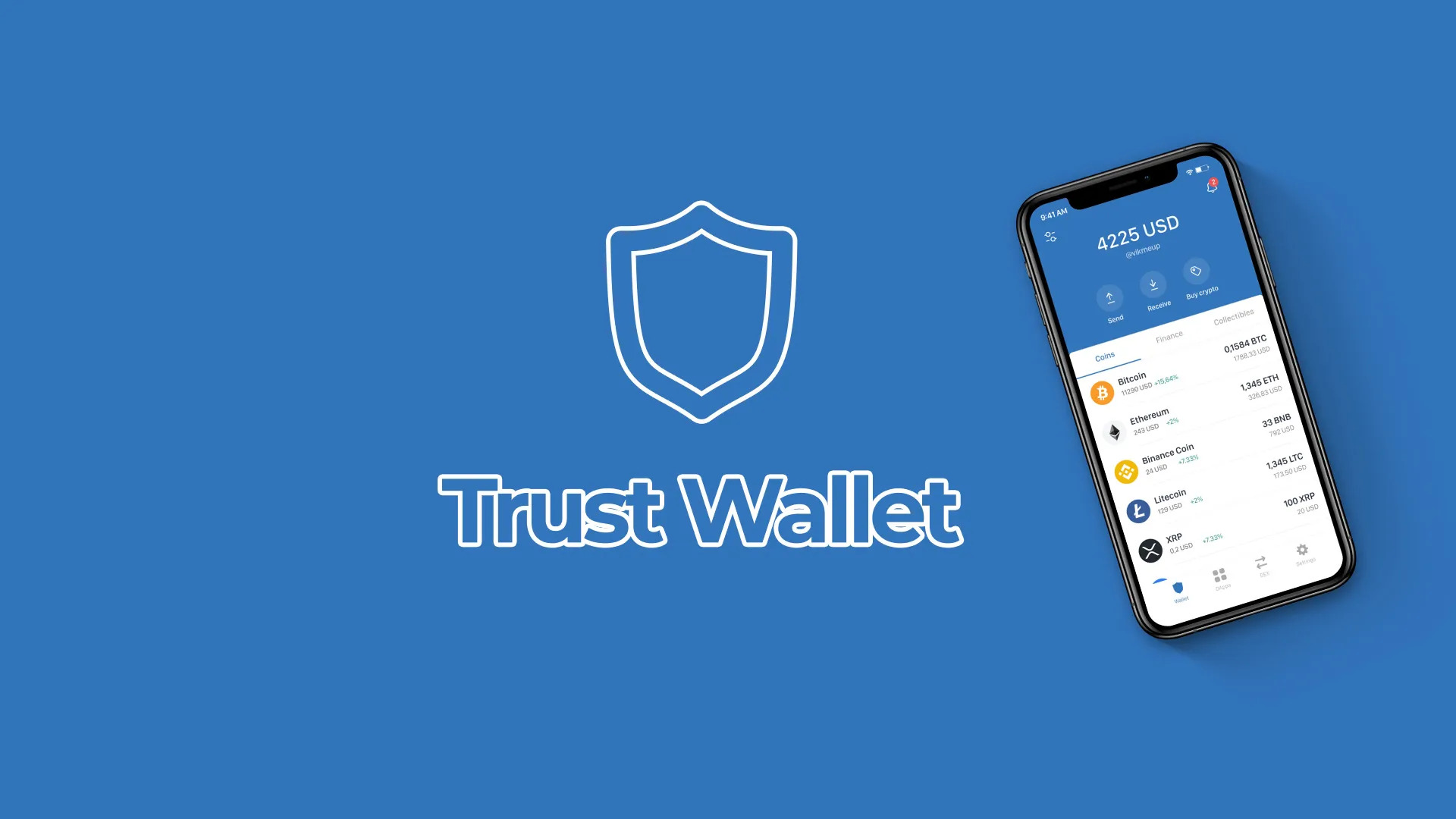
If you want a starting point, try a wallet that emphasizes clarity and control—like truts wallet—because it blends multichain support with clear approval flows and cross-device consistency. I’m not shilling; I’m pointing to a design that gets the hard parts right. Check it and see what you think—your mileage may vary, but at least you’ll have a baseline to measure against.
On one hand, speed is sexy. On the other hand, safety is boring but essential. Though actually, you can have both if a product is intentionally built for them.
Common questions
How do I test swap safety quickly?
Start with a tiny amount and inspect the route and slippage. Look for routing through obscure liquidity pools. Verify gas estimates and read the approval details before confirming. If a route looks opaque, don’t proceed.
Should I use an extension or mobile for large trades?
Use the extension for complex trades or for hardware-backed signing. Use mobile for monitoring and quick approvals. Combining both gives you flexibility and a safety net—assuming the wallet keeps session data and approvals clear.
What red flags should I watch for?
Unlimited allowances pushed as default, hidden route hops, mismatched balances across devices, and unclear recovery options are all red flags. Also beware of wallets that request excessive permissions without clear rationale.