So I was thinking about how people talk about DeFi like it’s this wild west where you either strike gold or get robbed blind. Honestly, that’s not too far off. Secure storage of private keys? Man, that’s the gatekeeper to your entire crypto empire. You can’t just slap a password on it and call it a day. Nope. Not with all the DeFi protocols interacting nonstop behind the scenes. The risk? Massive. But here’s the thing: hardware wallets like Ledger aren’t just fancy USB sticks—they’re a fortress when you get them right.
Whoa! Ever tried juggling DeFi apps on a phone and felt that sinking feeling? Yeah, something felt off about relying solely on software wallets, especially when private keys are your only real ownership proof. You just can’t ignore the cold, hard truth that software alone is vulnerable. Phishing, malware, you name it.
But on the flip side, I get it. DeFi is supposed to be permissionless and flexible. Sticking private keys into a brick box sounds kinda counterintuitive, right? Initially, I thought hardware wallets might slow down my DeFi hustle, but then I realized: actually, they can streamline access if integrated properly. The catch? Not all Ledgers—or any hardware wallets, really—play nice with every DeFi app out there. So, you gotta be choosy and savvy.
Here’s what bugs me about most crypto security advice—it’s either too vague or way too technical. Like, “Use a hardware wallet” is great, but how do you actually *use* it to interact with DeFi without exposing your keys? That’s where the magic of ledger live comes in. It acts as this secure bridge, so your keys never leave the device but you still get to approve transactions seamlessly. Pretty slick, honestly.
Really? Yeah, the whole “private keys never leave the device” mantra is more than just a slogan. It’s the backbone of keeping your assets safe, especially in DeFi where every click could trigger smart contracts moving your funds around. Ledger devices sign transactions internally, meaning your keys are locked tight no matter what shady site you might accidentally visit.
DeFi’s Double-Edged Sword and Private Key Protection
Okay, so check this out—DeFi protocols are like a bustling marketplace, but instead of vendors, you have smart contracts executing trades, loans, and swaps automatically. This automation is exciting but also scary. If your private keys leak, there’s no customer service hotline to reverse a transaction. The money’s gone. Poof.
My instinct said hardware wallets would be clunky with DeFi, but after digging into how Ledger integrates with platforms via apps and extensions, I’m kinda impressed. The way ledger live manages your accounts and connections minimizes those accidental key exposures that software wallets sometimes suffer. It’s a different level of control.
Hmm… though actually, not everything is perfect. Sometimes the user experience can feel a bit clunky, especially when multiple DeFi apps require different permissions or when updating firmware mid-flow interrupts your momentum. I had one session where I almost gave up because the device froze during a multi-step DeFi swap. That part bugs me.
Still, the trade-off is worth it. Protecting private keys in hardware means you’re not trusting your entire fortune to your computer’s security, which is notoriously weak. Plus, in the US, where scams are all too common, putting your keys in a hardware wallet is like locking your valuables in a safe instead of a sock drawer.
Something else worth noting: Ledger devices support multiple currencies and tokens, which is a blessing if you’re juggling various DeFi platforms. You don’t want to switch wallets every time you hop from an Ethereum-based app to something on Binance Smart Chain or Polygon. Ledger’s ecosystem keeps everything under one secure roof.
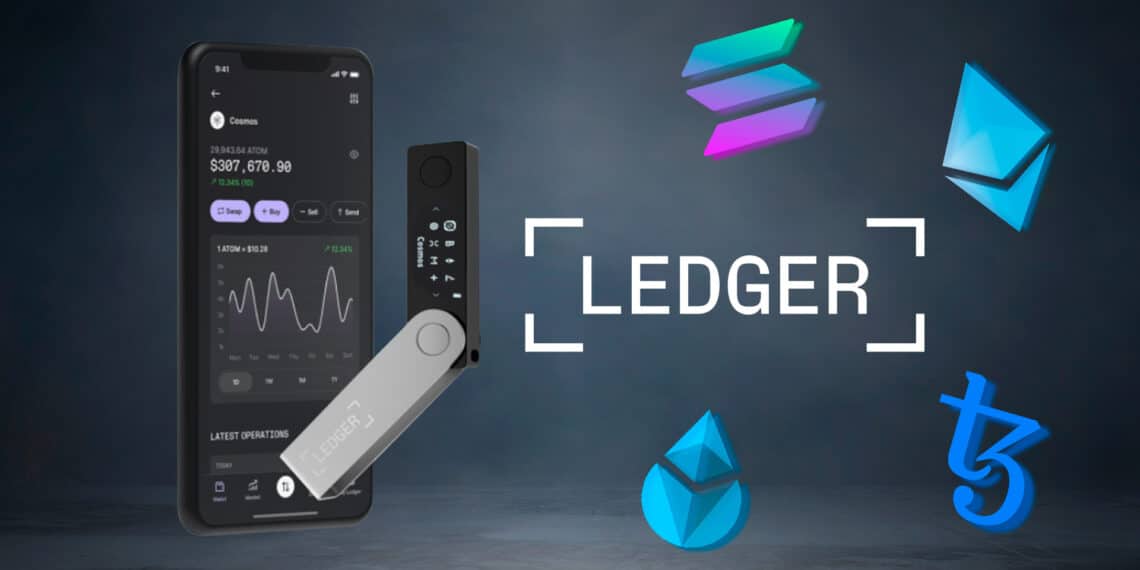
How Ledger Live Bridges the Gap Between Security and Usability
Here’s the deal: without a good interface, a hardware wallet is just a paperweight. ledger live is more than just a companion app—it’s your command center. It lets you manage apps, check balances, and approve DeFi transactions without risking your keys. That’s huge because DeFi’s complexity can intimidate even seasoned users.
On one hand, some folks complain that Ledger Live doesn’t support every single new DeFi protocol immediately. Though actually, the Ledger team pushes updates pretty fast, and third-party integrations are growing. It’s a living ecosystem, not a static product.
And oh, the peace of mind when you can see transaction details on your device’s screen before hitting “approve”… that’s priceless. It’s like having a bouncer at a club checking IDs—only this bouncer makes sure no shady contract gets your keys. Sometimes I just stare at that tiny screen thinking, “Yep, this is the real deal.”
Still, I won’t pretend it’s foolproof. Users need to stay vigilant about phishing attempts and always verify URLs and apps they connect to. Even the best hardware wallet can’t save you if you willingly hand over your seed phrase or approve a malicious transaction. Human error is the sneaky wildcard here.
So, if you’re diving into DeFi and want to keep your crypto stash safe, pairing Ledger’s hardware security with the convenience of ledger live is a no-brainer. It’s not just about locking down your keys but making your crypto journey smoother and less nerve-wracking.
Personal Takeaways and What’s Next
I’ll be honest—when I first got my Ledger, I was skeptical about how much it would actually protect me versus just being a fancy gadget. But after some trial and error, and yeah, a couple of frustrating moments (like that firmware freeze), I’m convinced this combo is vital for anyone serious about DeFi. Especially if you’re in the US market, where scams and hacks seem to hit the news every week.
Something I’m still curious about—and maybe you are too—is how Ledger and similar devices will evolve as DeFi gets more complex. Will they keep up with Layer 2 solutions, cross-chain bridges, and the ever-expanding token universe? I guess only time will tell. Meanwhile, using ledger live feels like having a solid anchor in choppy waters.
Anyway, this isn’t a sales pitch—more like a heads-up from someone who’s been around the block. Protecting your private keys isn’t some optional extra. It’s the foundation. And if you’re serious about DeFi, you owe it to yourself to get a hardware wallet and learn how to use it right.
So yeah, don’t just think “passwords and backups” anymore. Think “hardware, secure signing, and smart integrations.” That’s the future—and the present, really—of crypto security.